Best Boat Logbook Apps in 2026
Quick Summary
- ✓Digital logbooks are now an operational necessity for superyachts, not a convenience—flag state auditors expect searchable, timestamped records
- ✓The best logbook apps integrate with planned maintenance, crew management, and compliance workflows rather than operating in isolation
- ✓Auto-logging via NMEA, AMCS, and GPS eliminates manual entry errors and captures data even when crew are occupied with operations
- ✓Offline capability is non-negotiable for ocean crossings and remote anchorages where connectivity drops for days
- ✓AI-powered platforms like YachtWyse analyze logbook data to predict equipment failures and flag compliance gaps before auditors do
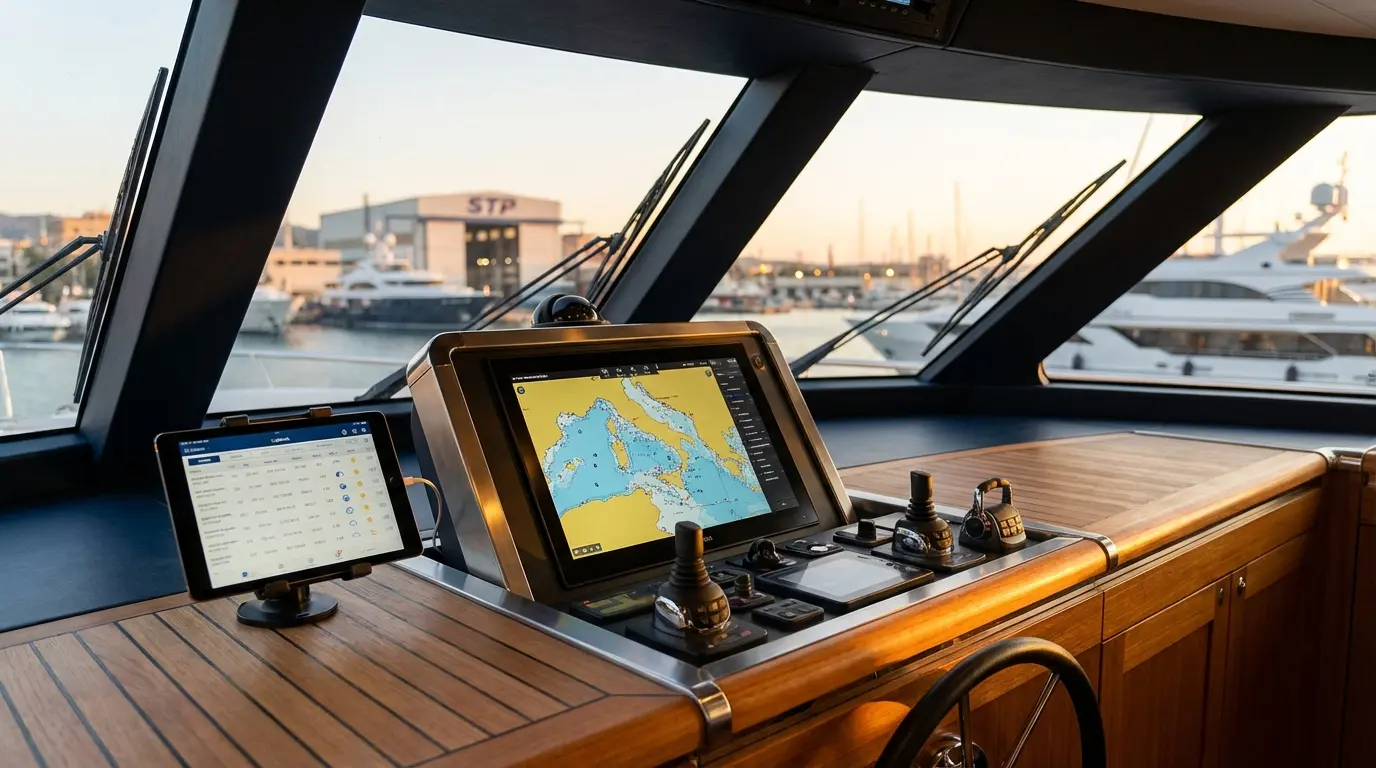
The fleet manager pulled up a chair in the operations office overlooking Palma de Mallorca's STP shipyard. On the desk sat two laptops, three ring binders, and a stack of printouts from four different vessels. She was preparing for a management company audit covering the previous twelve months of operations across a fleet of yachts ranging from 42 to 78 meters.
"The logbooks are the problem," she said. "Every vessel uses something different. One captain swears by paper. Another uses a spreadsheet he built five years ago. The 60-meter has a proper PMS with logbook features, but the crew only use half of it. And the newest yacht in the fleet has an auto-logging system that generates so much data nobody knows what to do with it."
This is the state of digital logbooks in the superyacht sector in 2026. The technology exists. The regulatory framework supports it. The operational benefits are well documented. And yet the landscape remains fragmented, with captains and fleet managers navigating a confusing mix of standalone apps, integrated platforms, legacy systems, and manual workarounds.
This comparison examines the leading boat logbook apps available in 2026, evaluated specifically through the lens of superyacht operations, ISM compliance, and fleet-scale management. The goal is not to declare a single winner but to map each platform's strengths and limitations against the requirements that actually matter in professional maritime operations.
Why Digital Logbooks Are No Longer Optional
The regulatory foundation for electronic logbooks has been in place for years. SOLAS Chapter V, Regulation 28 and IMO Resolution A.916(22) define the technical and operational requirements for electronic record books aboard commercial vessels. Most major flag states now accept digital logbooks that meet these standards, provided paper backups remain available as a contingency.
But the shift away from paper is no longer driven primarily by regulation. It is driven by operational reality.
Crew rotation cycles on superyachts mean that institutional knowledge walks off the gangway every few months. A paper logbook captures what happened, but it cannot be searched, analyzed, or cross-referenced with maintenance records, fuel consumption data, or crew hours of rest. When a new chief officer joins the vessel, those ring binders are effectively sealed archives that require hours of manual review to yield useful information.
Digital logbooks solve this by making operational history accessible, searchable, and actionable. The question is no longer whether to go digital. It is which platform delivers the most value for a given vessel's operational profile. For vessels already using a yacht management platform, the logbook module should integrate seamlessly with existing workflows rather than creating another data silo.
Evaluation Criteria for Superyacht Operations
Before examining individual platforms, it is worth establishing what separates a recreational boating app from a professional-grade logbook system. The criteria used in this comparison reflect the operational realities of vessels operating under ISM, MLC 2006, and flag state survey requirements.
Compliance readiness. Does the platform generate tamper-evident records that satisfy flag state auditors and classification society surveyors? Can it produce reports aligned with ISM Code documentation requirements?
Auto-logging capability. Does the system capture data from NMEA networks, GPS, AMCS, or other onboard instruments without manual crew input? Automated data capture eliminates human error and creates a continuous operational record.
Offline functionality. Can crew log entries during ocean crossings, in remote anchorages, or when satellite connectivity drops? Offline capability is non-negotiable for vessels that spend weeks away from reliable internet.
Integration depth. Does the logbook connect to planned maintenance, crew management, fuel tracking, and expense systems? Isolated logbook data creates duplicate entry requirements and prevents cross-functional analysis.
Fleet scalability. Can a management company view and compare logbook data across multiple vessels from a single dashboard? Fleet-level visibility is essential for companies managing three or more yachts.
AI and analytics. Does the platform analyze logged data to surface insights, predict equipment issues, or flag compliance gaps? A logbook that only stores data is a digital filing cabinet. A logbook that interprets data is an operational tool.
The Leading Boat Logbook Apps Compared
DeepBlue
DeepBlue has operated in the superyacht market since 2013 and has evolved into a comprehensive management platform covering vessels typically in the 25 to 150 meter range. Its logbook functionality is integrated with the broader Planned Maintenance System module.
The platform's standout feature is its AMCS integration, which connects the yacht's Alarm Monitoring and Control System directly to the digital logbook. This auto-logging capability captures equipment events, alarm conditions, and operational data without manual crew input. For vessels with modern bridge and engine room monitoring systems, this creates a granular, objective operational record that supplements manual watchkeeping entries.
DeepBlue also offers an Offline Sync feature, which maintains functionality when mobile networks or Starlink connectivity become unavailable. The mobile app is available on both iOS and Android.
Strengths: Deep AMCS integration for automated event logging. Mature platform with over a decade of superyacht-specific development. Comprehensive PMS integration that connects logbook entries to maintenance workflows.
Limitations: The platform's breadth can create a steep onboarding curve for crews accustomed to simpler systems. Pricing is positioned at the enterprise end of the market, which may not suit single-vessel operations. The volume of auto-logged data requires thoughtful configuration to avoid overwhelming the crew with low-priority entries.
Best suited for: Large motor yachts (50m+) with sophisticated onboard monitoring systems and management companies that need deep integration between logbook data and maintenance planning.
Seahub
Seahub positions itself as a cloud-based yacht maintenance and management platform designed by former superyacht engineers. While maintenance is its primary focus, the platform includes logbook and defect log functionality that integrates with its equipment tracking, inventory management, and document storage modules.
The defect log module allows crew to create worklist items with images, comments, responsible persons, and status tracking. This bridges the gap between logbook observations and maintenance actions, ensuring that a noted deficiency in the logbook does not get lost before it becomes a work order.
Pricing starts at approximately $80 per month, positioning Seahub as a mid-market option. The platform offers iOS and Android apps with cloud synchronization and provides 24/7 support via phone, email, and live chat.
Strengths: Purpose-built by superyacht engineers who understand operational workflows. Strong defect-to-maintenance pipeline that connects logbook observations to corrective actions. Competitive pricing relative to full-featured enterprise platforms.
Limitations: Logbook functionality is secondary to the maintenance focus. Auto-logging from onboard instruments is not a core feature. Fleet-level analytics and cross-vessel comparison tools are less developed than on platforms designed for management companies.
Best suited for: Single vessels or small fleets (two to four yachts) where the primary need is connecting daily observations to a maintenance management workflow.
Sealogical
Sealogical has served the superyacht sector since 2003, making it one of the longest-established platforms in this comparison. The system covers ISM compliance, crew management, safety management, and logbook functionality across more than 740 vessels.
The platform's strength lies in its compliance pedigree. Two decades of ISM-focused development means the logbook module is built around the documentation requirements that auditors actually check. Records are structured to demonstrate compliance with safety management system procedures, drill schedules, and operational protocols.
Strengths: Extensive compliance heritage with ISM and MLC focus. Large installed base provides community knowledge and proven reliability. Crew management integration connects watchkeeping records to hours of rest compliance.
Limitations: The interface reflects the platform's long development history and may feel dated compared to newer entrants. Modernization of the user experience has been incremental rather than transformational. AI-powered analytics and predictive capabilities are not prominent features.
Best suited for: Vessels and management companies where ISM compliance documentation is the primary driver and proven track record matters more than cutting-edge interface design.
Voly
Voly has earned recognition as the market-leading yacht financial management platform, winning awards from industry polls of captains and crew for three consecutive years. While financial management is its core identity, the platform includes maintenance, logbook, spare parts, and equipment list modules that interlink with the accounting system.
The unique value proposition is the connection between the logbook and financial data. When a logbook entry triggers a maintenance action that requires parts procurement, the workflow flows directly into purchase orders, expense tracking, and budget reporting. For management companies and family offices that need financial visibility alongside operational records, this integration eliminates the reconciliation headaches that arise when logbook and accounting systems operate independently.
Strengths: Unmatched financial integration that connects operational events to cost tracking. Strong reputation among captains and crew for user experience. Multi-entity support for family offices managing yachts alongside other assets.
Limitations: The logbook is a component of a financial management platform, not a purpose-built operational recording system. Auto-logging from onboard instruments is not a primary feature. Vessels that need deep engineering-focused logbook functionality may find the operational depth secondary to the financial capabilities.
Best suited for: Yachts and management companies where financial transparency and operational cost tracking are as important as the operational record itself. Particularly strong for vessels managed by family offices.
TheBoatApp
TheBoatApp offers logbook software with trip logging, weather recording, radio logs, and auto-logging at predefined intervals. The platform integrates with Google Maps for route tracing and supports multi-user entries, photo attachments, and audio logging.
The platform offers a free tier with no payment required, making it accessible for smaller vessels and individual operators. A Pro subscription adds advanced features.
Strengths: Low barrier to entry with a free tier. Google Maps integration provides visual route tracking. Audio logging is a distinctive feature that allows hands-free entry during watch. Cross-platform availability on iOS and Android.
Limitations: Designed primarily for recreational and small commercial vessels rather than superyacht operations. ISM compliance features, fleet management tools, and integration with enterprise PMS platforms are not part of the offering. The platform does not address the regulatory documentation requirements that commercial superyachts face.
Best suited for: Private yacht owners and smaller commercial vessels that need a straightforward digital logbook without the compliance overhead of ISM-class platforms.
SeaLogs
SeaLogs positions itself as a maritime operations platform with logbooks, maintenance, crew management, and compliance in a single system. The platform targets commercial maritime operators including charter fleets, ferry services, and workboat operations.
The electronic logbook module focuses on streamlining compliance, enhancing safety, and simplifying daily operations. The platform's commercial maritime focus means it understands regulatory requirements, even if the primary audience is broader than the superyacht sector.
Strengths: Compliance-focused design built for commercial maritime operations. Combined logbook, maintenance, and crew management reduces the number of separate systems aboard. Designed for fleet operations with multi-vessel visibility.
Limitations: The superyacht-specific features such as charter management, guest services, and luxury vessel workflows are not the platform's primary focus. Interface and terminology are oriented toward commercial maritime operators rather than superyacht crews.
Best suited for: Commercial yacht fleets and charter operations that operate under commercial maritime regulations rather than the specific workflows of private superyacht management.
YachtWyse
YachtWyse approaches the logbook as one component of an AI-powered yacht management platform that spans maintenance, crew management, compliance, expense tracking, and diagnostics. The platform serves vessels from owner-operated boats through to enterprise fleet operations.
The distinguishing feature is how the platform applies artificial intelligence to logged data. Rather than treating the logbook as a passive record, YachtWyse analyzes entries alongside maintenance histories, equipment performance data, and operational patterns to surface predictive insights. A logged observation about unusual engine vibration does not just sit in a database. The AI cross-references it with the vessel's maintenance history, similar reports across the platform's data set, and known failure patterns to generate actionable recommendations.
Offline functionality ensures crew can log entries during passages without connectivity, with automatic synchronization when the vessel comes back online. The mobile-first design reflects the reality that most logbook entries happen on a phone or tablet rather than a desktop computer in the captain's office.
Strengths: AI-powered analysis transforms logbook data from passive records into predictive operational intelligence. Full integration across maintenance, crew, compliance, and financial modules eliminates data silos. Tiered pricing from individual owner-operators through to enterprise fleet plans. Offline capability designed for extended ocean passages.
Limitations: As a newer platform relative to decade-old incumbents, the installed base is smaller. Vessels deeply embedded in legacy systems face a migration effort. The AI capabilities are most valuable when the platform has accumulated sufficient operational data, which requires a commitment to consistent use.
Best suited for: Forward-thinking captains, management companies, and fleet operators who want their logbook data to actively inform decision-making rather than simply satisfy documentation requirements. Particularly strong for organizations managing multiple vessels that benefit from cross-vessel analytics.
Feature Comparison Matrix
| Feature | DeepBlue | Seahub | Sealogical | Voly | TheBoatApp | SeaLogs | YachtWyse |
|---|---|---|---|---|---|---|---|
| ISM compliance | Yes | Partial | Yes | Partial | No | Yes | Yes |
| AMCS auto-logging | Yes | No | No | No | No | No | Planned |
| GPS auto-logging | Yes | No | No | No | Yes | Yes | Yes |
| Offline capability | Yes | Limited | Yes | Limited | Yes | Yes | Yes |
| PMS integration | Yes | Yes | Yes | Yes | No | Yes | Yes |
| Crew hours of rest | Yes | No | Yes | No | No | Yes | Yes |
| Fleet dashboard | Yes | Limited | Yes | Yes | No | Yes | Yes |
| AI analytics | No | No | No | No | No | No | Yes |
| Financial integration | Partial | No | No | Yes | No | No | Yes |
| Mobile app | Yes | Yes | Yes | Yes | Yes | Yes | Yes |
| Free tier | No | No | No | No | Yes | No | Yes |
The Integration Question
The most consequential decision when selecting a logbook platform is not which app records voyage data most elegantly. It is whether the logbook operates in isolation or as part of a connected operational system.
Captain Henrik Larsen, who has managed bridge operations on 60-meter-plus motor yachts for fifteen years, frames it directly: the logbook should be the connective tissue of vessel operations, not another standalone application that crew have to remember to open.
When a watch officer logs heavy weather conditions, that entry should automatically flag upcoming maintenance windows that might be affected. When the engineer records unusual machinery behaviour, the logbook should cross-reference the vessel's maintenance history and alert the captain if a pattern is emerging. When crew log their watchkeeping hours, those records should feed directly into MLC 2006 hours of rest compliance calculations.
This level of integration is what separates modern yacht management platforms from digital versions of paper logbooks. The platforms that treat the logbook as an input to a larger intelligence system, rather than an end in itself, deliver compounding value over time.
For vessels already tracking maintenance and compliance through existing tools, the migration guide in Paper Logbooks to AI: Modernizing Superyacht Records provides a practical framework for transitioning to an integrated digital system.
Fleet-Level Considerations
For management companies overseeing multiple vessels, the logbook selection has implications that extend beyond individual yacht operations.
Standardizing on a single logbook platform across the fleet enables comparative analysis that is impossible when each vessel operates on a different system. Fuel consumption patterns can be benchmarked across similar vessel classes. Maintenance trends can be identified before they become fleet-wide issues. Crew performance and compliance adherence can be evaluated consistently.
The fleet manager in Palma who opened this article was spending three days every quarter manually compiling operational summaries from four incompatible systems. With a unified platform, that same analysis takes an afternoon, and much of it is automated.
Platforms like YachtWyse, DeepBlue, and Sealogical offer fleet-level dashboards that aggregate logbook data across multiple vessels. For management companies evaluating these options, the fleet analytics capability should carry as much weight as individual vessel features.
Organizations evaluating enterprise-grade fleet management should assess not only the logbook module but how logbook data integrates with fleet-wide maintenance analytics, crew scheduling, and compliance reporting.
Making the Decision
The right logbook app depends on the vessel's operational profile, regulatory obligations, and management structure. A framework for the decision:
Single private yacht, no ISM obligation. TheBoatApp or YachtWyse's owner-operator tier provide accessible entry points without the compliance overhead of enterprise platforms.
Single commercial superyacht under ISM. DeepBlue, Sealogical, or YachtWyse offer the compliance documentation, audit trails, and integration depth that ISM surveys require.
Fleet of managed superyachts. YachtWyse, DeepBlue, or Sealogical deliver the fleet-level visibility, standardized workflows, and comparative analytics that management companies need.
Financial transparency is paramount. Voly's integration between logbook events and financial management is unmatched for operations where cost tracking and operational recording must stay synchronized.
AI-driven operational intelligence. YachtWyse is currently the only platform in this comparison that applies machine learning to logbook data for predictive maintenance and pattern recognition across vessel operations.
The logbook is no longer a regulatory checkbox. It is the operational memory of the vessel. The platforms that treat it as such, connecting every entry to maintenance, compliance, crew, and financial systems, are the ones that will define how superyachts are managed in the years ahead.
Explore how YachtWyse integrates digital logbook capabilities with AI-powered maintenance, compliance tracking, and fleet analytics at yachtwyse.com/enterprise.
Related Articles
- Paper Logbooks to AI: Modernizing Superyacht Records -- A practical guide to transitioning from paper-based records to digital maintenance systems.
- Best Superyacht PMS Software in 2026 -- Comparison of planned maintenance systems that integrate with digital logbooks.
- ISM Compliance Software for Superyachts -- Deep dive into ISM Code requirements and how digital tools support audit readiness.
- How AI Is Transforming Superyacht Engineering -- How artificial intelligence is reshaping maintenance and operations on large yachts.
- Enterprise Fleet Management -- YachtWyse platform overview for management companies and fleet operators.
Sources
- IMO SOLAS Chapter V, Regulation 28 -- Electronic Record Books (UK MCA MGN 690)
- DeepBlue Yacht Management Software
- Seahub Yacht Maintenance Software
- Sealogical Yacht Management Software
- Voly Group Yacht Financial Management
- TheBoatApp Logbook Features
- SeaLogs Maritime Operations Platform
- IMO MARPOL SOLAS Timeline Guide 2025-2028
- IRClass Summary of New IMO Requirements
- Gitnux Top 10 Best Yacht Management Software of 2026
- ONBOARD Magazine -- Superyacht Management Software
Written by
YachtWyse Team
Maritime Technology Experts
The YachtWyse team brings decades of combined experience in maritime operations, marine engineering, and software development. We write from real-world experience managing vessels from 30ft cruisers to 100m+ superyachts.
Ready to Simplify Your Yacht Management?
YachtWyse helps owner-operators track maintenance, manage costs, and get AI-powered diagnostic assistance. Start your free trial today.
Request a DemoRelated Articles
The Hidden Cost of Yacht Software TCO
Yacht software license fees are just the tip of the iceberg. Learn how hidden costs like per-seat fees, add-ons, and training can top 50K EUR over three years.
Yacht Crew Management Software Guide (2026)
Compare the best yacht crew management software for superyachts in 2026. Certification tracking, MLC compliance, role-based permissions, and fleet oversight.
What is Yacht Management Software? Complete Guide for 2026
Learn what yacht management software is, who uses it, key features to look for, and how to choose the right platform for your vessel. Updated for 2026.